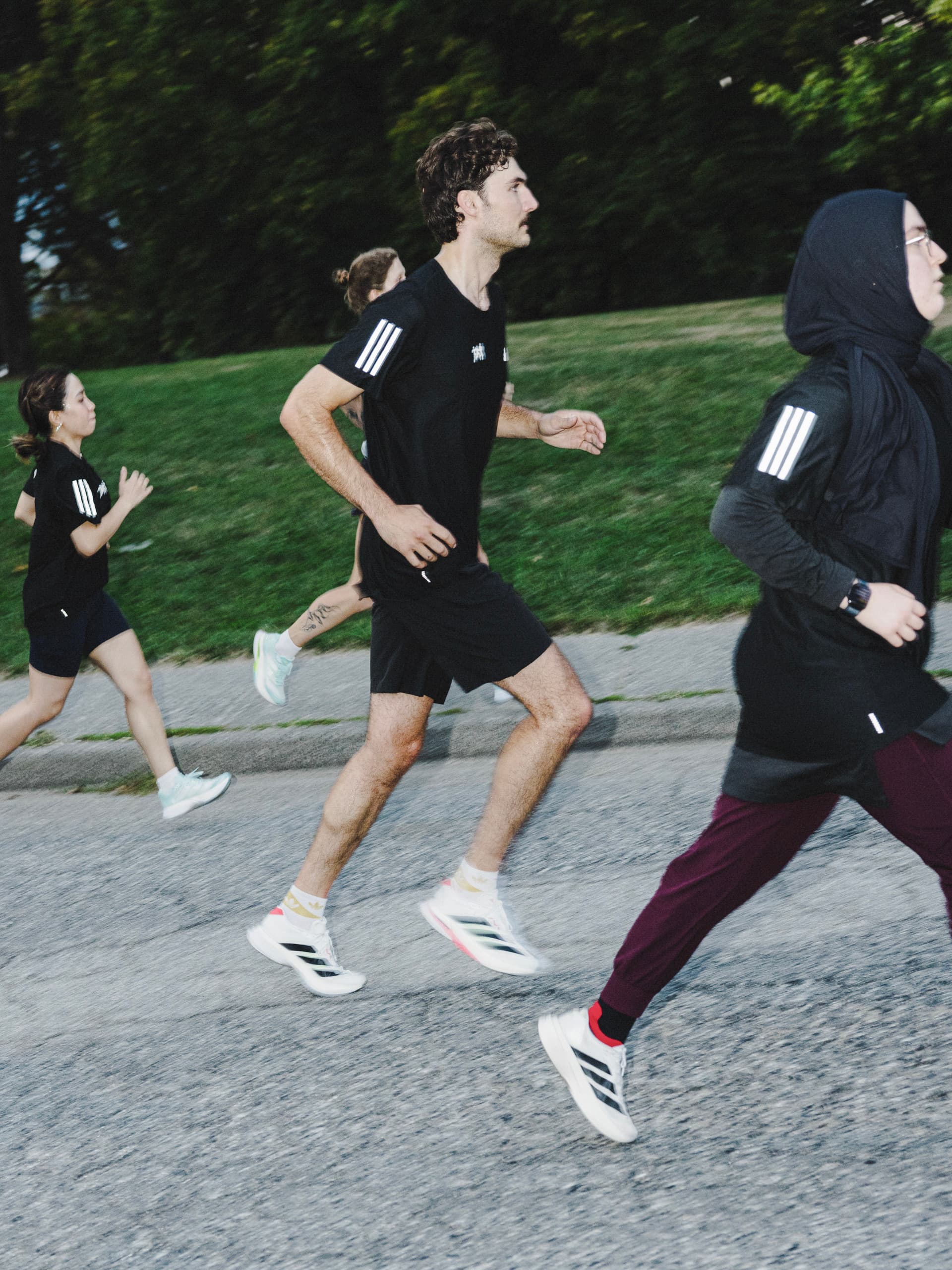
You Signed Up for a Race. Now What?
If you signed up for a race recently, you’ve probably already started thinking about what to do next.
 Ehren Chang
Maybe you’ve added a few runs, maybe you’ve looked up a plan, maybe you’ve told yourself this is the time you’re finally going to stay consistent.
That’s usually how it starts.
And to be fair, it works for a bit. The first few runs feel fine. You feel fresh, motivated, and ready to train. Shorter runs feel smooth, your legs feel decent, and it’s easy to assume your body is ready for more.
Then something starts to shift.
A bit of tightness shows up in one calf. Your breathing feels heavier earlier than expected. Your legs feel more sluggish halfway through a run that normally wouldn’t feel that difficult. One side starts doing a little more work than the other, even if you can’t fully explain it yet.
It’s usually not pain. It just feels… off.
Most runners assume they just need to keep training, so they keep going.
The issue is that what’s changing isn’t just conditioning.
Where your stride starts to change (even when you feel fine)
If you’ve just come off a race, your body is often still carrying fatigue, but not in a general sense. It usually shows up in specific movement changes first.
Your ankle might not move through the same range it did a few weeks ago. Your hip might not control your landing the same way on both sides. Your push-off might start feeling slower or heavier once you get tired.
If this is your first race build, the pattern can still look similar. Early runs feel manageable, so it’s easy to assume you’re ready to ramp things up quickly. What most runners haven’t seen yet is how their body responds once fatigue starts accumulating across longer or more repetitive runs.
Research on running fatigue has shown that one of the first things to change during longer runs is how consistently the body controls movement. As runners fatigue, they tend to lose some of the stiffness that helps transfer force efficiently through the leg. They also tend to spend longer on the ground with each step, especially during the transition from landing to push-off.
That shift usually doesn’t feel dramatic right away.
It shows up more subtly:
Cadence slows slightly
Legs feel heavier earlier
One calf starts tightening sooner
Stride feels less smooth late in the run
Effort feels higher even when pace hasn’t changed much
This is often where runners mistake “feeling okay” for being fully prepared.
How small imbalances turn into real load
Once training volume starts increasing, those smaller changes get repeated thousands of times.
A slight shift in how your foot lands becomes extra work through your calf. Less control at your hip changes how your knee and ankle absorb force. A push-off that’s slightly slower starts keeping you on the ground longer each step.
The body will keep you moving, but it usually does it by shifting work somewhere else.
This is why runners often start noticing:
More tension through the calves
Heavier or more sluggish legs
Weight shifting more side to side
Shorter or less efficient strides later in runs
Fatigue showing up earlier than expected
Over time, fatigue can make it harder to maintain the stiffness and coordination needed to efficiently transfer force while running. As mechanics start deteriorating, the body compensates by loading different tissues differently, which can increase stress and injury risk if volume continues increasing too quickly.
The important thing is that running usually doesn’t create these patterns out of nowhere. It tends to expose and repeat what’s already happening underneath.
That’s why something that feels minor on Monday can suddenly show up in every run by the end of the week.
What to check before you add more distance
Before adding more structure, intensity, or distance, it’s worth understanding what’s most likely to break down once fatigue sets in.
That means paying attention to:
Side-to-side loading differences
Where control starts fading
How your stride changes later in runs
Whether certain muscles are consistently working harder
How stable and efficient your push-off feels as fatigue builds
It’s also worth paying attention to how your footwear feels throughout a run, not just during the first few kilometres. The same shoe can feel smooth early and unstable later depending on how your body is handling fatigue that day.
Before increasing mileage too aggressively, it can also help to improve your body’s ability to absorb and return force outside of just running more. Strength and flexibility work can help improve how your body handles impact and maintains movement quality as fatigue builds. Running technique cues and better body awareness can also help runners recognize compensation patterns sooner instead of waiting until discomfort becomes more obvious.
That’s also why simply adding more mileage isn’t always the answer, especially early in a race build when fatigue starts exposing movement changes runners usually don’t notice at the start of runs.
At RunReady, Race Prep was built around that idea. The 8-week class combines physiotherapists and run coaches in one program to help runners train for races with more structure, better support, and a lower risk of breaking down as training volume increases.
The physiotherapy side focuses on how your body handles impact, controls movement, and responds to fatigue as runs get longer. The coaching side focuses on how that translates into your actual training, including workouts, pacing, progression, and consistency throughout a race cycle.
From there, exercises, footwear, and running strategy can be adjusted more specifically to how your body actually moves, especially later in runs when mechanics usually start changing the most.
The goal is not just to help runners complete workouts. It’s to help them stay more consistent through training, recognize fatigue changes earlier, and feel stronger and more prepared by race day.
You don’t necessarily need a completely different training plan.
You need a better understanding of how your body responds to the one you’re already following.
The Checkpoint
Most runners start training as soon as they sign up for a race, which usually means building on top of whatever movement patterns already exist underneath. If one side is taking more load, or your stride changes once fatigue sets in, more running usually doesn’t solve it. It simply shows up sooner and more often.
That’s why the last third of a run can suddenly feel much harder than it should, even when the first few kilometres felt completely fine.
Before you ramp up, make sure you understand what your body is already showing you.
Reset before you ramp.



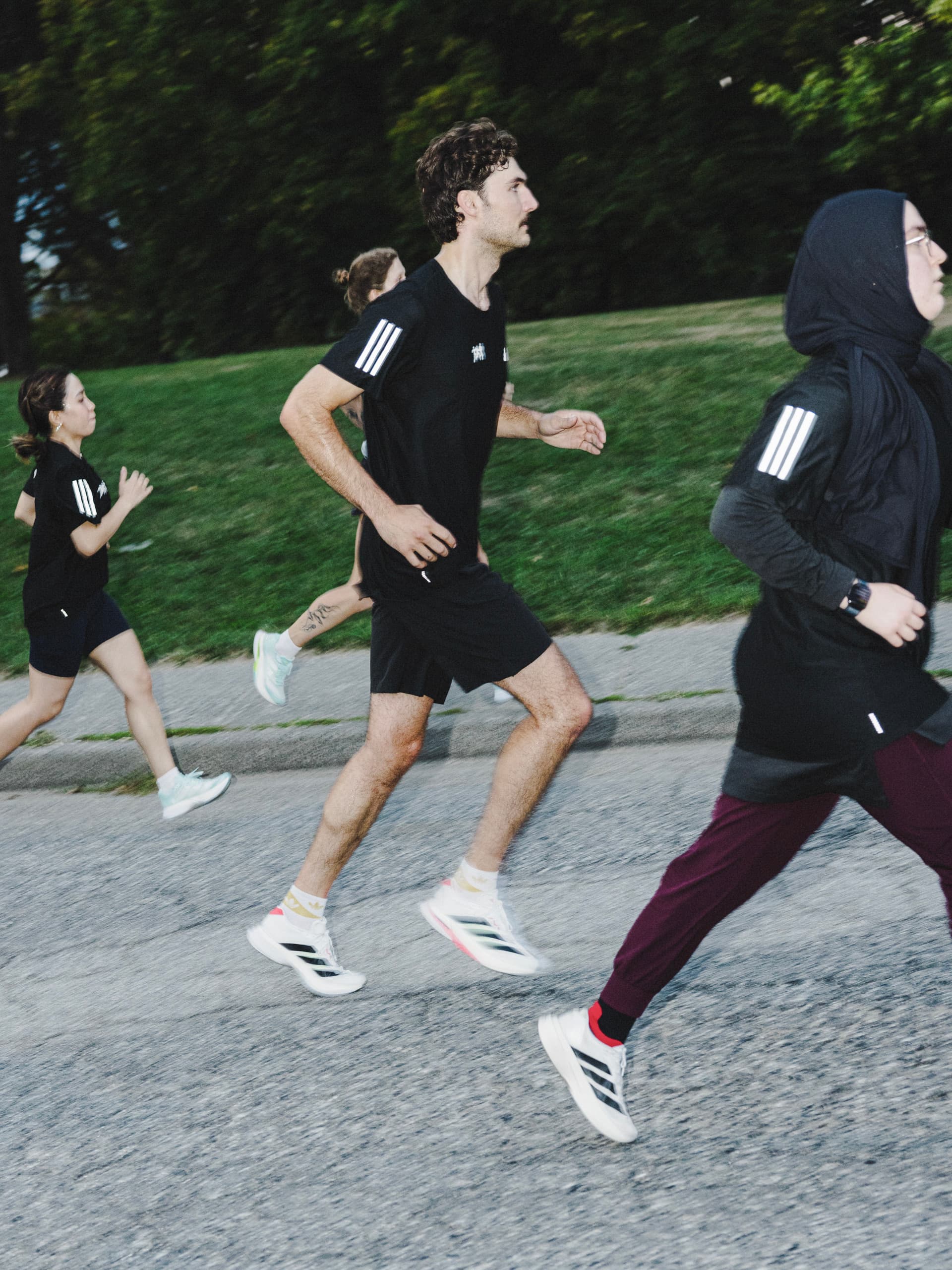
Why This Matters For Your Race
This is the same shift that shows up later in a race. You’re not trying to hit your pace once. You’re trying to hold it as the demand increases and fatigue builds.
When that happens, small differences become more noticeable. If you’re spending more time on the ground or using more effort to keep moving, it adds up. What feels manageable early on can become difficult to maintain later.
This is also where the difference between shoes becomes clearer, especially when you compare what you’ve already felt in previous weeks to what you feel now.
This week gives you a clear preview of that. It shows you which shoes help you stay consistent as things get harder, and which ones start to feel like more work.
The Takeaway
You’re not just getting through the weekly class. You’re learning what actually changes when the effort changes, how your body responds, and how your shoes influence that.
Once you can feel that clearly, you’re not guessing anymore. You’re choosing footwear based on what helps you stay consistent and hold your pace when it matters.
Written By
Ehren Chang
Lorem ipsum Lorem ipsum Lorem ipsum Lorem ipsum Lorem ipsum Lorem ipsum